
How to Layer Activewear for Cold-Weather Workouts
, by Gilded Grace, 3 min reading time
, by Gilded Grace, 3 min reading time
Cold-weather workouts come down to smart layering: a wicking base, an insulating mid-layer, and a protective outer layer. Here's how to build the system so you stay warm without overheating.
Cold weather is no reason to skip your workout—you just need to dress smarter. The secret is layering: building a system of pieces you can add or shed as your body heats up. Done right, you stay warm at the start, comfortable mid-session, and never soaked in trapped sweat.
Here's the simple three-layer system every cold-weather workout wardrobe should follow.
Sitting against your skin, the base layer's job is to pull sweat away—because wet skin gets cold fast. Choose a snug, moisture-wicking long sleeve. The Foudy Mid-Weight 1/2 Zip Top is an ideal base, with a zip you can open to dump heat. The Foudy 2.0 Long Sleeve Athletic Top works just as well.
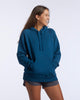
This traps body heat. A soft, high-stretch fleece or hoodie is perfect. The long-length Freasy Relaxed Fit Hoodie layers beautifully over your base, and the cozy Freasy Crew is a great pullover option for milder cold.
Your shell blocks wind and light rain while letting sweat escape. The Powerstripe Track Jacket is built for this. When it's dry but cold, the lightweight Powerstripe Down Vest adds eco-friendly core warmth without overheating your arms.
Your lower half needs layering too. Full-length leggings like the Go Again Legging provide a warm, compressive base, while the Powerstripe Track Pant and Excel Jogger add a warm outer layer for the walk there and the cool-down.
The most common mistake is overdressing. You should feel slightly cool for the first few minutes—because you'll warm up fast once you get moving. If you're toasty before you start, you'll be drenched 10 minutes in. Use zippers and removable layers to fine-tune as you go.
A three-layer system: a moisture-wicking base layer, an insulating mid-layer like a fleece or hoodie, and a wind-resistant outer shell or vest. Add leggings, gloves, and a headband.
Dress to feel slightly cold at the start, choose pieces with zippers for ventilation, and remove layers as you warm up. The goal is to manage heat, not trap all of it.
Yes—a vest keeps your core warm while leaving your arms free to move and vent heat, which is ideal for high-output activities like running where your arms generate their own warmth.
Definitely. A high-stretch, relaxed-fit hoodie makes an excellent mid-layer over a wicking base, and a great standalone for milder cold or warm-ups.
Master the three-layer system and cold weather stops being an excuse. Build a base, insulate, and shield—then adjust as you heat up. Shop cold-weather activewear at Gilded Grace.